Tell your stylist how you wear your hair on an ordinary day, how much time you spend styling and what you want to keep. Discuss the shape, daily work and upkeep together.
01
Describe an ordinary morning
Say whether you air-dry, blow-dry, straighten, curl or usually tie your hair back. Explain what you enjoy doing and what you would prefer to avoid. A cut can be discussed around the routine you have, rather than a routine you hope you might adopt.
Mention the practical details: hair needs to fit under a helmet, you work out before work, you wear it up most days, or you have five minutes to get ready. These details can be more helpful than a trend name.
02
Bring a front view and a side view
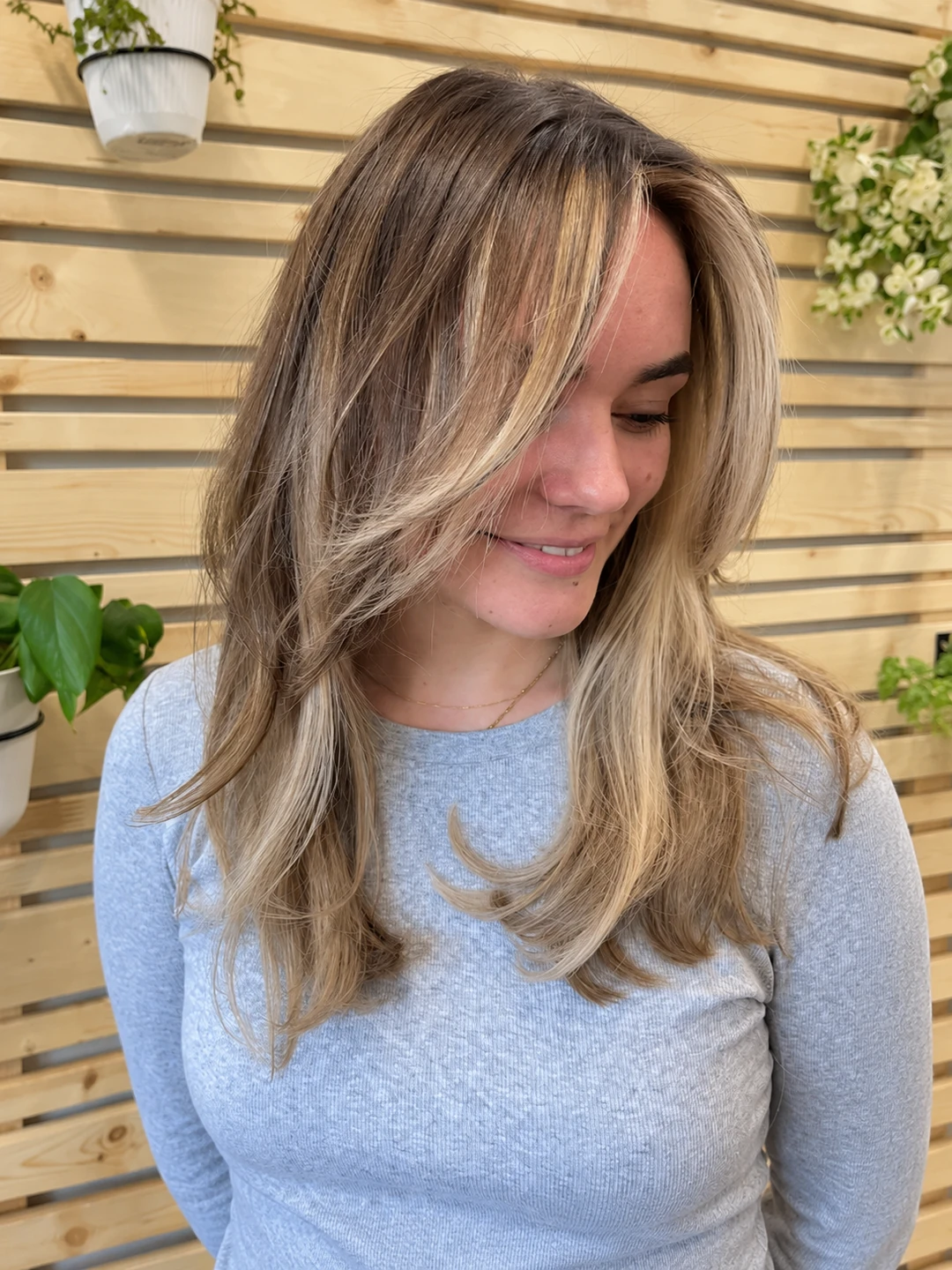
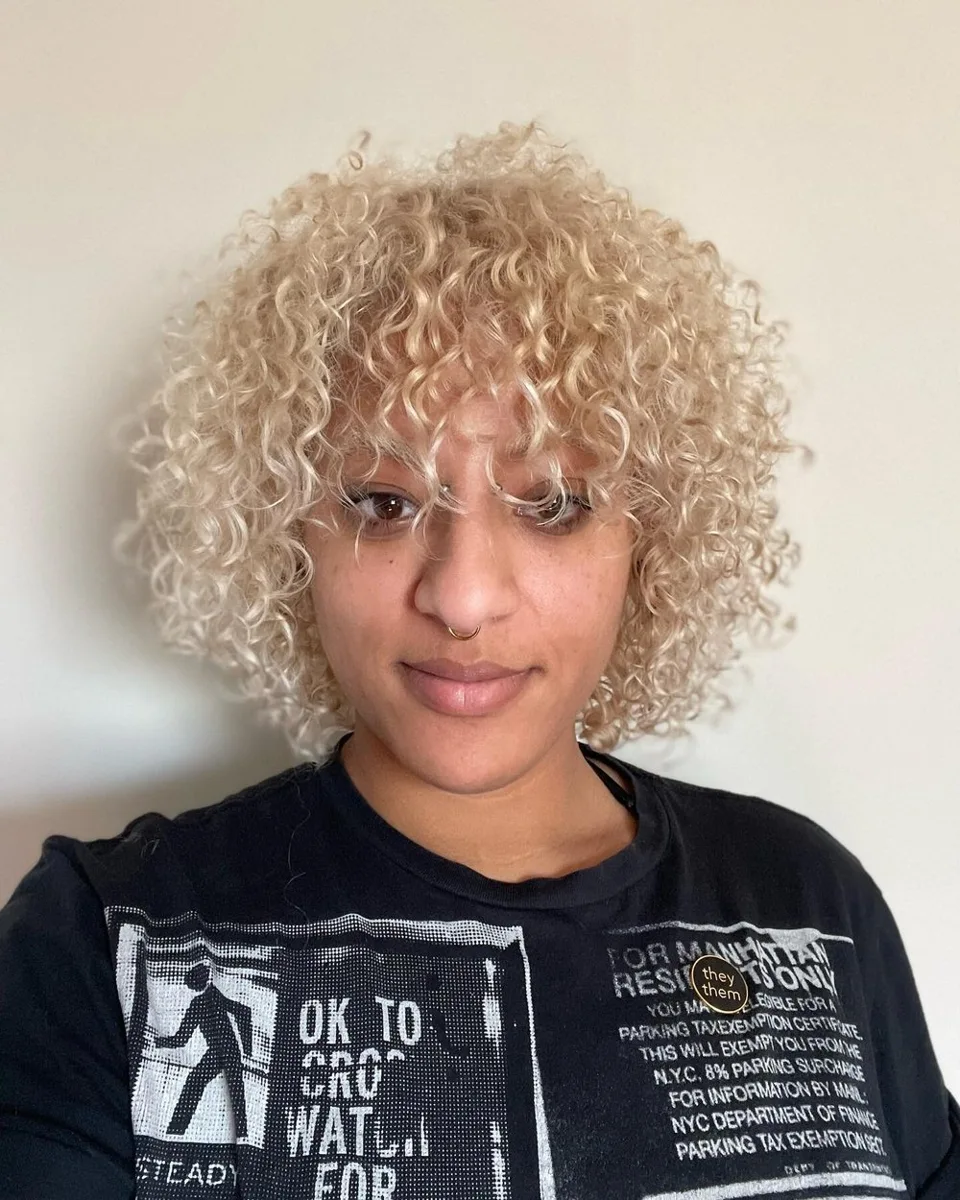
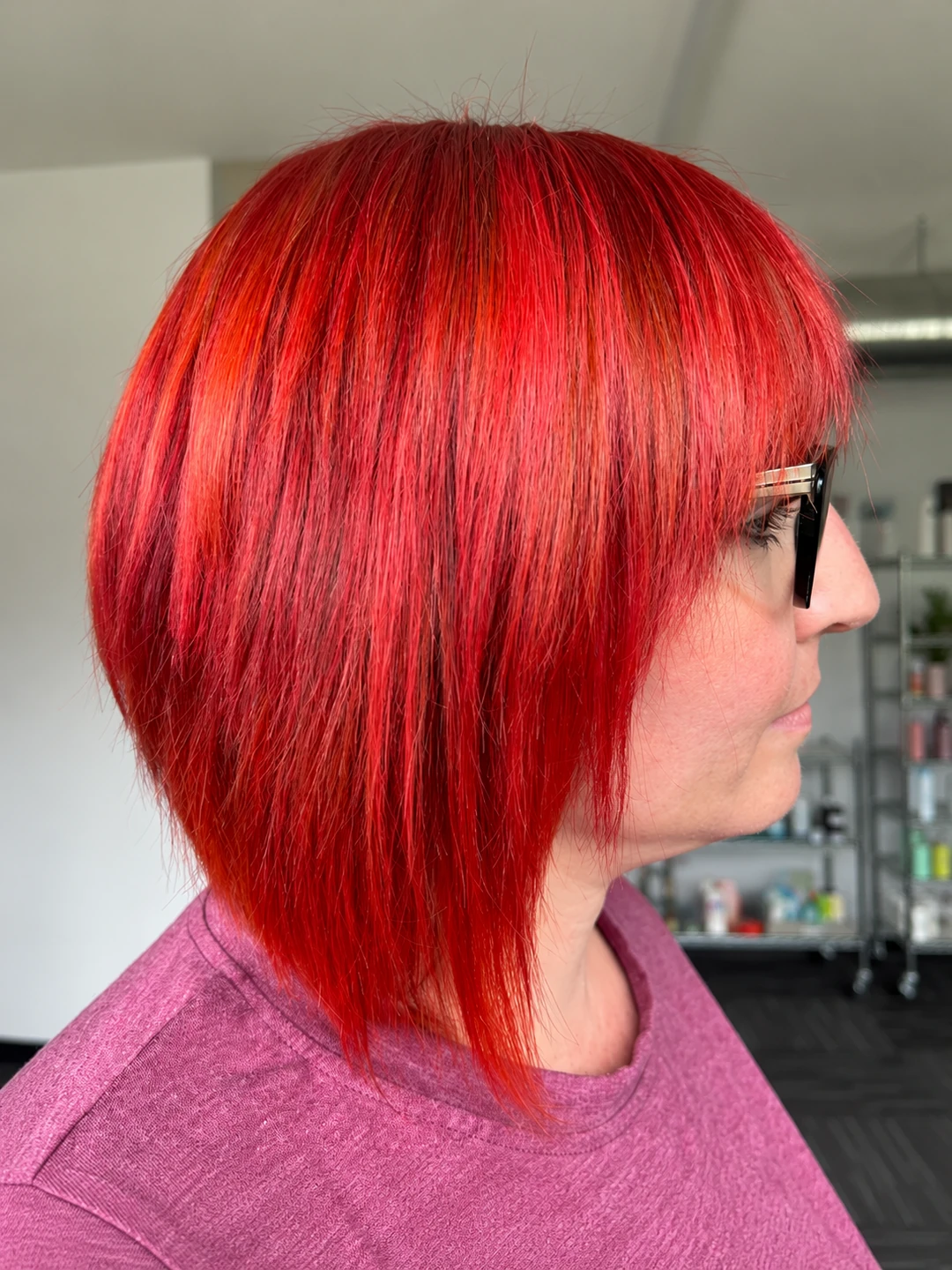
A front-facing photo may hide the length at the back or the amount of styling behind the finish. If possible, bring references showing the outline from more than one angle. Point to the detail you like in each one.
Show a recent photograph of your own hair on an ordinary day, too. It helps explain what you are finding difficult, particularly if it looks quite different after a salon finish.
03
Say what you want to keep
Be clear about the shortest length you are comfortable with and whether you need to tie it up. Discuss how much change you mean by “a trim” before cutting begins.
For a fringe, ask about the shape you want, how you would style it and the upkeep it may need. If this is a substantial change, tell the salon before booking a short fringe-maintenance slot.
04
Leave with a routine you can repeat
Ask your stylist to explain the finish using tools you own or are willing to use. You can ask them to show the direction of the brush, how they section the hair or the point at which they apply a product.
Before leaving, ask what would make the cut ready for its next appointment: a particular length, a change in shape or a fringe that needs attention. Use that answer to discuss a suitable return plan.
Keep it practical
Your checklist
Your usual styling time and tools.
Two or three references and what you like in each.
The length or tie-back requirement you want to preserve.
The part of your current cut you find difficult.
Common questions
What if I cannot describe the haircut?
Show examples and point to shape, fringe, length or movement. Explaining what you like and dislike is enough to begin the consultation.
Should I book a fringe appointment for a new fringe?
Contact the salon to confirm the right appointment for creating a fringe or changing the shape substantially. A short maintenance slot may not be appropriate.
Your next step
Good advice. A clear next step.
A useful haircut plan connects the look with your ordinary routine. Bring both to the conversation.